
Smart Design Strategies for Home Extensions

Extending your home is an exciting way to add space, improve functionality, and increase property value. However, to make the most of your investment, it’s essential to adopt smart design strategies. Thoughtful planning and clever design can transform your extension into a seamless, practical, and beautiful addition to your home. This article explores key ideas and tips to help you create the perfect home extension.
Understanding Extension Designs: Key Considerations
When planning an extension, the design should complement your existing home while meeting your needs. Here are some important factors to consider:
Purpose of the Extension: Are you adding a new kitchen, extra bedrooms, or a home office? The function will influence the layout and design.
Style Matching: Your extension should blend with the architectural style of your home. Whether traditional or modern, consistency in materials and colours is crucial.
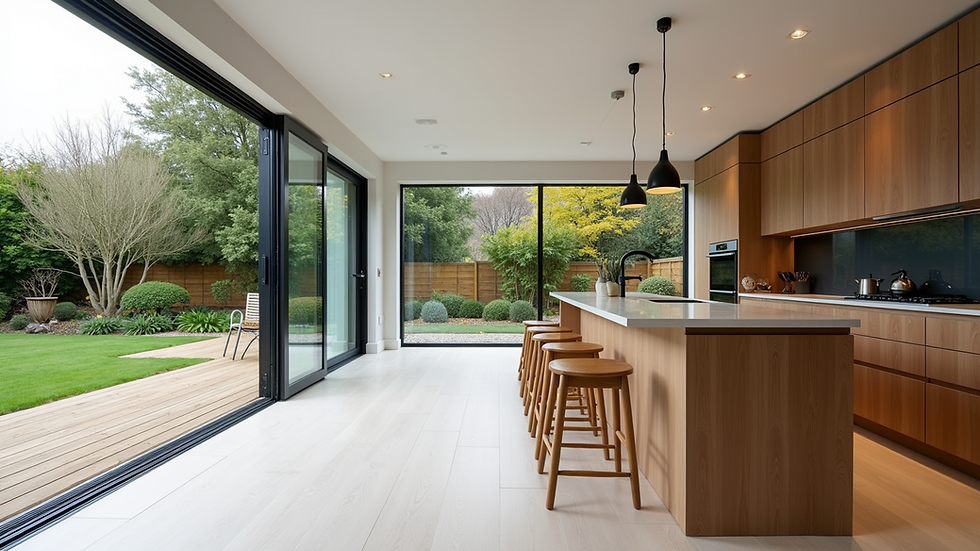
Natural Light: Maximise daylight by incorporating large windows, skylights, or glass doors. This makes the space feel larger and more inviting.
Flow and Connectivity: Ensure smooth transitions between the old and new parts of your home. Open-plan layouts often work well.
Planning Permissions: Check local regulations to avoid legal issues. Some extensions may require planning permission or building control approval.
By focusing on these elements, you can create an extension that feels like a natural part of your home.

Popular Extension Designs and Their Benefits
There are several popular types of home extensions, each with unique advantages:
Single-Storey Rear Extension
Ideal for expanding kitchens or living areas. It’s usually the most straightforward and cost-effective option. It opens up the back of the house to the garden, creating a bright, spacious environment.
Double-Storey Extension
Adds significant space by extending upwards as well as outwards. Perfect for adding bedrooms or bathrooms. It requires more planning but maximises the use of your plot.
Wrap-Around Extension
Combines side and rear extensions for a larger footprint. This design offers flexibility and can create a unique layout tailored to your lifestyle.
Basement Extension
Adds space below ground level. It’s a great option if you want to preserve garden space, but it can be more expensive and complex.
Loft Conversion
While technically not an extension, loft conversions add valuable space upstairs and can be combined with other extension designs.
Each design has its pros and cons, so consider your budget, space, and long-term goals carefully.
What is the Cheapest Way to Extend Your Home?
Cost is often a major concern when planning an extension. Here are some tips to keep expenses down without compromising quality:
Opt for Single-Storey Extensions: These are generally cheaper than double-storey or basement options due to simpler construction.
Keep the Design Simple: Avoid complex shapes and expensive materials. Rectangular or square footprints are easier and cheaper to build.
Reuse Existing Foundations: If possible, build on existing foundations to save on groundwork costs.
Use Standard Materials: Custom or high-end finishes increase costs. Standard bricks, tiles, and windows are more affordable.
DIY Where Possible: If you have skills, doing some work yourself can reduce labour costs.
Plan Efficiently: Avoid last-minute changes and ensure all details are finalised before construction starts.
By following these strategies, you can achieve a functional and attractive extension on a budget.

Integrating Sustainable and Energy-Efficient Features
Modern home extensions should prioritise sustainability. Incorporating eco-friendly features not only reduces your carbon footprint but also lowers energy bills. Consider these options:
High-Performance Insulation: Use quality insulation in walls, floors, and roofs to maintain temperature.
Double or Triple Glazing: Energy-efficient windows reduce heat loss and improve comfort.
Solar Panels: Install solar panels on the roof to generate renewable energy.
Green Roofs: A living roof can improve insulation and support biodiversity.
Energy-Efficient Heating: Consider underfloor heating or heat pumps for efficient warmth.
Natural Ventilation: Design windows and vents to promote airflow and reduce reliance on air conditioning.
Sustainable design is a smart investment that benefits both the environment and your home’s value.
Maximising Space and Functionality in Your Extension
To get the most out of your extension, focus on space optimisation and practical design:
Open-Plan Layouts: Combine kitchen, dining, and living areas to create a spacious feel.
Built-In Storage: Use under-stair spaces, alcoves, or custom cupboards to reduce clutter.
Flexible Rooms: Design rooms that can serve multiple purposes, such as a guest room that doubles as an office.
Natural Light and Views: Position windows to capture garden views and sunlight.
Seamless Indoor-Outdoor Flow: Use sliding or bi-fold doors to connect the extension with outdoor spaces.
Consider Ceiling Height: Higher ceilings can make rooms feel larger and more airy.
These strategies ensure your extension is both beautiful and practical.
Bringing Your Vision to Life with Professional Help
While DIY projects can be rewarding, home extensions often require professional expertise. Architects, builders, and interior designers can help you:
Develop detailed plans that meet building codes.
Choose materials and finishes that suit your style and budget.
Manage construction timelines and quality control.
Navigate planning permissions and regulations.
Working with professionals increases the likelihood of a successful project that meets your expectations.
For inspiration and expert guidance on home extension designs, consider consulting experienced specialists who can tailor solutions to your needs.
By applying these smart design strategies, you can create a home extension that enhances your living space, adds value, and reflects your style. Thoughtful planning, cost-effective choices, and sustainable features will ensure your extension is a lasting asset to your home.


Comments